
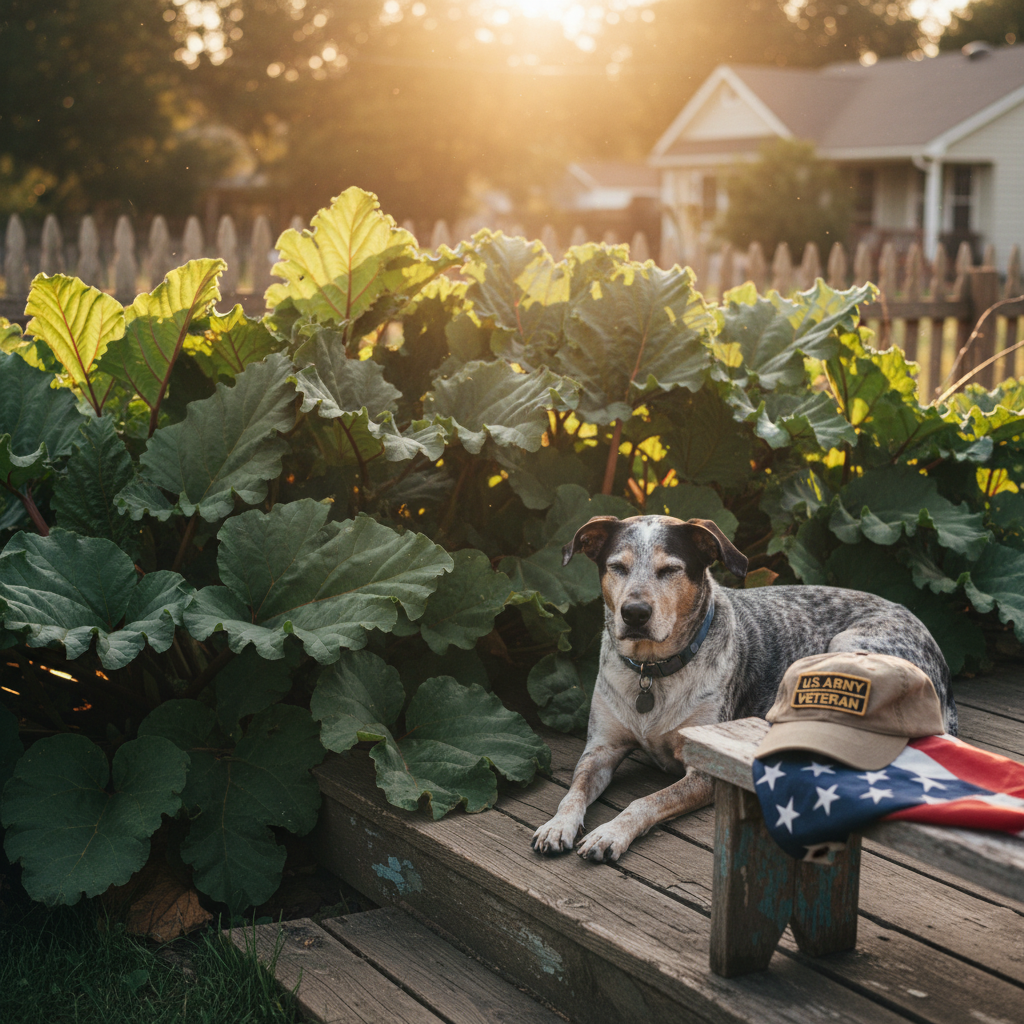
Dogs and Rhubarb Plants: Complete Owner Safety Plan
Key Takeaways
- Toxicity from rhubarb in dogs depends on the dose per kilogram of body weight.
- Smaller dogs are at a much higher risk from the same amount of rhubarb compared to larger dogs.
- A large rhubarb leaf may only cause mild irritation in big dogs but can cause severe poisoning in small dogs.
- The level of oxalates relative to the dog's body weight determines the severity of symptoms.
- Emergency intervention may be necessary if a small dog ingests rhubarb leaves.
Table of Contents
- Dogs and Rhubarb Plants: Why This "Pie Favorite" Is a Real Risk for Your Dog
- Rhubarb 101 for Dog Owners: What It Is, Where It Grows, and Why It's a Problem
- How Rhubarb Affects a Dog's Body: The Oxalate Problem Explained
- Dose, Dog Size, and Risk: Why Small Pups Are Hit Harder
- Signs of Rhubarb Poisoning in Dogs: What You'll See and When You'll See It
- Step-by-Step: What to Do If Your Dog Eats Rhubarb (Leaves or Stalks)
- Immediate At-Home Actions (First 3–5 Minutes)
- Contacting a Vet or Poison Hotline: What to Have Ready
- Transporting to the Vet Safely
- Veterinary Diagnosis and Treatment: What to Expect at the Clinic
- Monitoring Recovery at Home
Dogs and Rhubarb Plants: Why This "Pie Favorite" Is a Real Risk for Your Dog
That tangy rhubarb growing in your garden makes excellent pie, but it's a hidden danger zone for your dog. While humans safely enjoy the tart stalks in desserts, dogs and rhubarb plants create a toxic combination that sends thousands of pets to emergency vets annually. The large, triangular leaves pack concentrated calcium oxalates, crystals that burn tissue on contact and can trigger kidney failure in severe cases.
If you're looking for safe alternatives to satisfy your dog's chewing instincts and keep them away from hazardous plants, consider offering 12" Braided Bully Sticks or a Beast - Himalayan Dog Chew as a distraction. These long-lasting chews can help redirect attention from dangerous garden plants.
Extreme Dog Leadership means you control every aspect of your dog's environment, including what grows in your yard. A responsible owner identifies threats before they become emergencies, installs barriers that actually work, and trains their dog to respect boundaries. Whether you're dealing with an established rhubarb patch or planning new garden beds, your leadership determines whether this common plant becomes a medical crisis.
This guide covers identification, toxicity mechanisms, emergency protocols, and prevention strategies that keep your dog safe while preserving your garden goals. All advice complements professional veterinary care, when in doubt, call your vet immediately. For more ways to keep your dog happy and occupied, you might also explore our selection of long lasting dog chews for safe, healthy alternatives.
Rhubarb 101 for Dog Owners: What It Is, Where It Grows, and Why It's a Problem

How to Identify Rhubarb in Your Yard
Rhubarb grows in distinctive clumps with massive triangular leaves that can stretch two feet long and equally wide. The thick, fleshy stalks range from deep red to green, emerging directly from the crown in a fan pattern. Mature plants spread 3-4 feet across and produce tall flower spikes with small, clustered blooms if left unharvested.
Walk your property twice yearly, early spring when new growth emerges, and mid-summer during peak growing season. Use a plant identification app like PlantNet or Seek to confirm suspicious vegetation. Keep a simple "yard plant inventory" in your phone, photographing and noting the location of any potentially toxic species.
Key identification markers:
- Leaves: Large, heart-shaped to triangular, with prominent veining
- Stalks: Thick, hollow, red-to-green coloring
- Growth pattern: Dense clumps, not spreading vines or single stems
- Location: Often found in established vegetable gardens or near old home foundations
Which Parts of the Rhubarb Plant Are Dangerous to Dogs?
The leaves contain the highest concentration of soluble calcium oxalates, the primary toxic compound. A single large leaf can deliver enough oxalates to cause severe mouth burns and systemic toxicity in medium-sized dogs. The leaf stems and petioles carry similar risks, as oxalates concentrate in the leaf's vascular system.
Stalks contain significantly lower oxalate levels but still pose dangers, especially for small dogs or those consuming large quantities. Even "safe" stalks can trigger gastrointestinal upset and contribute to overall oxalate load in dogs with kidney sensitivities. The roots and crown typically aren't chewed but remain toxic if accessed through digging.
| Plant Part | Oxalate Level | Primary Risk | Immediate Danger |
|---|---|---|---|
| Leaves | Highest | Mouth burns, kidney damage | Severe |
| Stalks | Lower | GI upset, cumulative toxicity | Moderate |
| Roots/Crown | Moderate | Systemic toxicity if ingested | Moderate |
Home-Garden Rhubarb vs Wild Volunteers and Potted Rhubarb
Planned rhubarb beds in vegetable gardens pose controlled risks, you know exactly where the plants grow and can install targeted barriers. Wild volunteers or forgotten rhubarb clumps near old foundations create hidden dangers, especially in properties with previous owners who gardened extensively.
Potted rhubarb near patios or doorways presents the highest immediate risk for bored indoor dogs with outdoor access. Container plants sit at perfect nose height, and the confined root system often concentrates toxins in smaller leaf areas. Decorative rhubarb varieties bred for ornamental use maintain the same toxic properties as culinary types.
How Rhubarb Affects a Dog's Body: The Oxalate Problem Explained
Calcium Oxalates 101: What They Are and Why Dogs React
Soluble calcium oxalate crystals in rhubarb leaves act like microscopic glass shards when they contact mucous membranes. Upon ingestion, these crystals immediately begin forming needle-like structures that penetrate mouth, tongue, and throat tissues. The body's attempt to neutralize these crystals depletes available calcium from the bloodstream, potentially triggering hypocalcemia.
Dogs lack the digestive enzymes humans use to partially neutralize plant oxalates. Their shorter digestive transit time means oxalates hit the kidneys faster and in higher concentrations, overwhelming the organs' filtration capacity and potentially forming kidney stones or causing acute tubular damage.
Dose, Dog Size, and Risk: Why Small Pups Are Hit Harder
Toxicity follows the fundamental rule of "dose per kilogram", smaller dogs face exponentially higher risk from the same amount of rhubarb. A single large leaf that might cause mild mouth irritation in an 80-pound German Shepherd could trigger severe systemic poisoning in a 10-pound Yorkie. The concentration of oxalates relative to body weight determines whether your dog experiences temporary discomfort or requires emergency intervention.
Consider the practical difference: if your Labrador grabs a few rhubarb leaf fragments while you're gardening, they're consuming perhaps 0.1-0.2 grams of plant material per kilogram of body weight. That same amount in a toy breed puppy represents 5-8 times the relative dose, pushing oxalate levels into dangerous territory where kidney function becomes compromised.
For more insights on safe chew options and whether certain natural chews are right for your pup, read are antlers for dogs a good idea for a detailed breakdown.
Higher-Risk Dogs for Rhubarb Toxicity
- Puppies and small-breed adults - Higher surface area to volume ratio accelerates absorption
- Dogs with existing kidney disease - Compromised filtration capacity cannot handle oxalate load
- Habitual plant grazers - Dogs that routinely eat vegetation or raid compost piles
- Dehydrated dogs - Concentrated urine allows easier crystal formation
Signs of Rhubarb Poisoning in Dogs: What You'll See and When You'll See It

Recognition speed saves lives, rhubarb poisoning follows a predictable timeline that escalates from local mouth irritation to systemic organ stress. Understanding this progression helps you distinguish between a minor plant-chewing incident and a veterinary emergency requiring immediate action.
Early Oral and GI Signs (First 5–120 Minutes)
The first wave hits fast and targets the mouth directly. Within minutes of chewing rhubarb leaves, dogs exhibit unmistakable oral distress: excessive drooling, pawing frantically at their muzzle, and rubbing their face against furniture or carpet. You'll notice reluctance to eat or drink, often accompanied by a hoarse bark from throat irritation.
The gastrointestinal cascade follows within 1-2 hours. Vomiting typically starts with clear fluid, then progresses to include plant material, save any expelled vegetation in a sealed bag for veterinary identification. Diarrhea ranges from loose stools to watery discharge, sometimes containing blood from intestinal irritation. Dogs may gag repeatedly or show visible swelling around the lips and tongue.
Critical First-Hour Checklist
- Check mouth and gums with flashlight for redness or plant debris
- Note exact time symptoms began
- Collect any vomited plant material in zip-top bag
- Document all symptoms with timestamps
More Serious Systemic Signs (Hours to First 24 Hours)
When oxalates enter the bloodstream and begin binding calcium, dogs develop neurological and cardiovascular symptoms. Weakness progresses to stumbling, followed by visible tremors in the legs or head. Changes in drinking and urination patterns signal kidney involvement, some dogs drink excessively while others refuse water entirely.
Blood in urine represents a critical threshold requiring immediate emergency care. Labored breathing, pale gums, or any degree of collapse indicates severe hypocalcemia and potential cardiovascular compromise. Seizures mark complete systemic failure and demand instant veterinary intervention.
Rhubarb vs "Normal" Garden-Tummy Upset: Key Differences
Standard grass-eating typically produces mild vomiting without the characteristic mouth-pawing behavior. Dogs and rhubarb plants create a distinct toxicity pattern: the combination of immediate oral irritation plus known plant access within 2 hours strongly suggests oxalate poisoning rather than simple dietary indiscretion.
| Symptom | Normal Plant Grazing | Rhubarb Toxicity |
|---|---|---|
| Mouth irritation | Minimal or none | Severe pawing, drooling |
| Onset timing | 30+ minutes | Within 5-15 minutes |
| Behavioral changes | Mild lethargy | Face rubbing, reluctance to eat |
| Progression | Resolves in 2-4 hours | Worsens over 6-12 hours |
Step-by-Step: What to Do If Your Dog Eats Rhubarb (Leaves or Stalks)
Speed and systematic action determine outcomes when dogs and rhubarb plants collide. Every minute spent in confusion or hesitation allows more oxalates to absorb and drives deeper tissue damage.
If your dog is a habitual plant grazer, providing a safe and engaging chew like the Extra Large (XL) Whole Elk Antler Official Dog Chew can help redirect their attention away from dangerous plants in your garden.
Immediate At-Home Actions (First 3–5 Minutes)
- Remove plant material from mouth using damp cloth
- Rinse mouth gently with cool water for 30-60 seconds
- Offer small amount of fresh water if swallowing normally
- Do NOT induce vomiting unless directed by vet
Your first move determines everything. Grab a damp cloth and carefully remove any visible rhubarb leaves or stalks from your dog's mouth, work quickly but avoid getting bitten if they're panicked. Use a small cup or turkey baster to rinse their mouth with cool water for 30-60 seconds, letting excess water drain out naturally.
Offer a small amount of fresh water (¼ cup for dogs under 25 pounds, ½-1 cup for larger dogs) only if they're swallowing comfortably. Skip food entirely if they're gagging, struggling to swallow, or breathing oddly. Never induce vomiting with dogs and rhubarb plants exposure unless a veterinarian or poison hotline specifically instructs you to, oxalate crystals can cause additional throat damage coming back up.
Contacting a Vet or Poison Hotline: What to Have Ready

Time equals tissue preservation. Before dialing, gather critical data that determines treatment intensity: your dog's weight, age, existing health conditions, and current medications. Estimate plant consumption as specifically as possible, "half a leaf the size of my hand" beats "some rhubarb."
Document the timeline within a 15-minute window and snap photos of both the plant and any chewed areas. Bag any plant samples or vomit containing plant material for veterinary analysis. Most animal poison control hotlines operate 24/7 and can guide immediate care while you arrange transport to an emergency clinic.
- Dog details: Weight, age, breed, health conditions, current medications
- Exposure specifics: Plant part consumed, estimated quantity, time of ingestion
- Current symptoms: Drooling, vomiting, mouth pawing, breathing changes
- Visual evidence: Photos of plant, bagged samples, documentation of chewed garden areas
For further reading on how to handle stressful situations with your pup, such as emergencies or anxiety, see our guide on how to handle separation anxiety in dogs.
Transporting to the Vet Safely
Mouth swelling and throat irritation can escalate quickly during transport. Keep your dog leashed or crated to prevent additional plant consumption and position dogs with facial swelling on their side to maintain clear airways. Remove tight collars that could restrict breathing if swelling progresses.
Bring your plant sample bag, symptom timeline with specific times, and any medications already administered. Drive calmly, panic serves no one, and your dog reads your energy. If breathing becomes labored en route, crack windows for fresh air and call ahead so the clinic can prepare oxygen support upon arrival.
For more information on rhubarb toxicity in pets, visit the ASPCA's rhubarb toxicity resource for a comprehensive list of symptoms and emergency steps.
Veterinary Diagnosis and Treatment: What to Expect at the Clinic
How Vets Confirm Rhubarb Poisoning
Veterinarians diagnose rhubarb toxicity through clinical examination combined with exposure history rather than specific toxin tests. The physical exam focuses on mouth tissues, airway patency, hydration status, and abdominal tenderness. Bloodwork including complete blood count and comprehensive metabolic panel checks kidney function and calcium levels.
Urinalysis reveals blood, protein, or calcium oxalate crystals that confirm systemic absorption. Your plant sample and detailed timeline often provide more diagnostic value than expensive specialized testing. Fresh oxalate crystals may be visible under microscopic urine examination within hours of ingestion.
Common Treatments and Timeframes
Treatment intensity scales with symptom severity and timing. Mild cases receive anti-nausea medications, gastroprotectants, and subcutaneous fluids with home monitoring within 2-4 hours. Moderate to severe toxicity requires IV fluid therapy for 24-72 hours, pain management, and potential calcium supplementation if blood levels drop dangerously.
Severe cases involving airway swelling need oxygen support, anti-inflammatory medications, and intensive monitoring. Early intervention typically prevents permanent kidney damage, while delayed treatment allows oxalate crystal formation in renal tubules. Most dogs recover completely when treated within 6-12 hours of exposure.
- Mild exposure: Oral medications, subcutaneous fluids, same-day discharge
- Moderate toxicity: IV fluids 24-48 hours, anti-nausea support, kidney monitoring
- Severe cases: Intensive care 48-72 hours, airway management, calcium support
For dogs recovering from toxicity or needing extra distraction during convalescence, try offering a Monster - Himalayan Dog Chew to keep them occupied and away from hazardous plants.
Monitoring Recovery at Home

Post-treatment surveillance catches complications before they become crises. Measure water bowl levels morning and evening to track fluid intake, dehydrated dogs develop kidney problems faster. Monitor urination frequency and color for 48-72 hours, watching for blood, straining, or significant increases or decreases in volume.
Appetite and energy levels should gradually return to normal within 24-48 hours. Follow veterinary instructions precisely regarding repeat bloodwork timing if kidney values were elevated. Any regression in symptoms warrants immediate re-evaluation, as complications can develop quickly. For more on keeping your dog happy and healthy at home, check out our tips for celebrating your dog's birthday and making every day special.
If you want to learn more about other plants and substances that can be toxic to dogs, the Merck Veterinary Manual's list of toxic houseplants and ornamentals is an excellent resource for pet owners.
For dogs that need a safe, long-lasting chew during recovery, consider the Himalayan Dog Chew Nuggets for Making Yak Chew Cheese Puffs as a gentle, engaging treat option.
Frequently Asked Questions
Why are rhubarb leaves toxic to dogs, and what symptoms should I watch for if my dog ingests them?
Rhubarb leaves contain calcium oxalates, which can cause painful mouth burns, drooling, vomiting, and in severe cases, kidney issues. Watch for signs like pawing at the mouth, excessive salivation, weakness, or difficulty urinating after ingestion.
How does the size and weight of my dog affect the severity of rhubarb poisoning?
Smaller dogs are at much higher risk because the same amount of rhubarb delivers a larger dose per kilogram of body weight. A leaf that might cause mild irritation in a big dog can lead to serious toxicity in a small dog.
What immediate steps should I take if my dog eats rhubarb leaves or stalks before reaching the vet?
Remove any remaining plant material from your dog’s mouth, rinse the mouth with water if possible, and call your vet or poison control immediately. Keep your dog calm and transport them safely to the clinic for evaluation.
How can I safely prevent my dog from accessing rhubarb plants in my garden?
Install secure, dog-proof barriers around rhubarb patches and train your dog to respect garden boundaries using consistent commands and supervision. Providing long-lasting chews like braided bully sticks can also redirect their chewing instincts away from hazardous plants.