
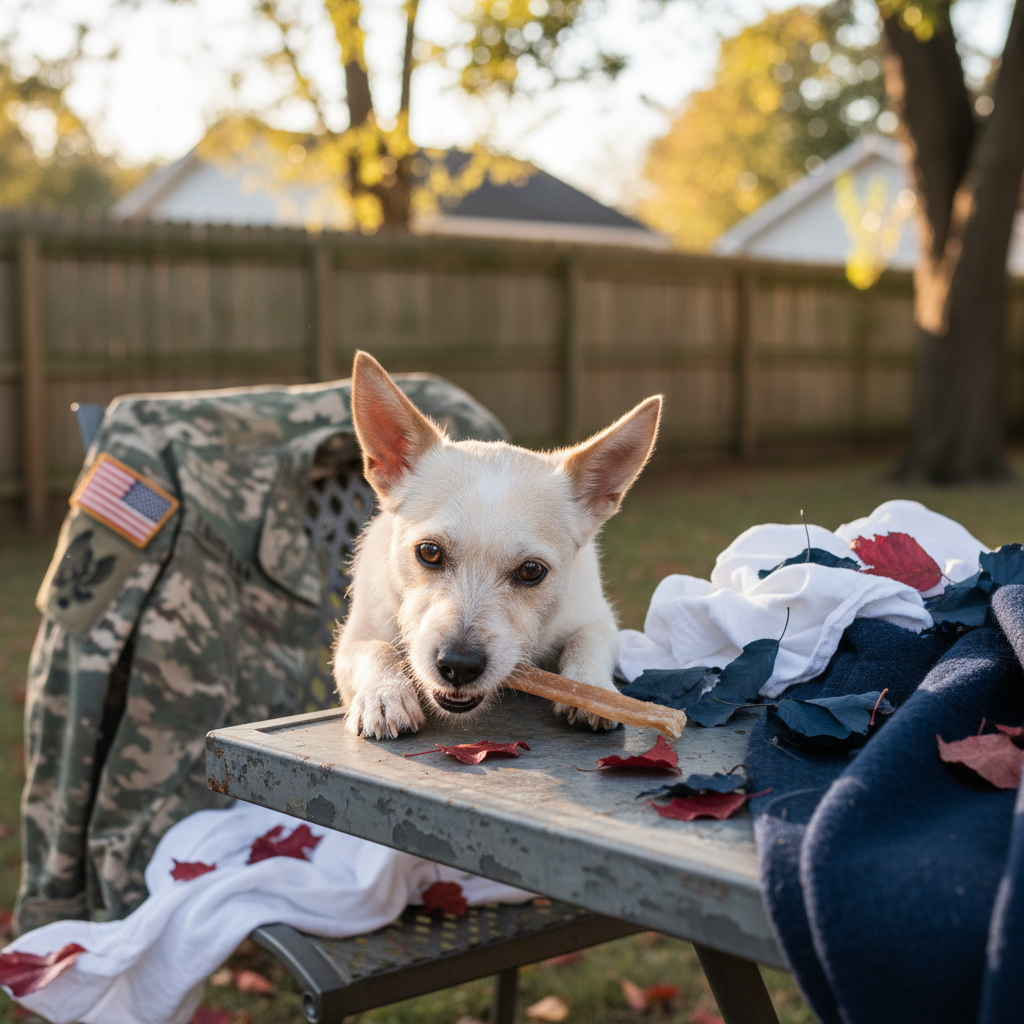
Small Dog Bully Sticks: Complete Safety & Size Guide
Key Takeaways
- Small dog bully sticks need precise sizing tailored to toy breeds to ensure safety.
- Supervision protocols for small dogs differ significantly from those for large breeds.
- The risk of choking is much higher in small dogs, requiring careful monitoring.
- Properly sized bully sticks provide important dental and mental benefits for small dogs.
- This guide offers exact measurements and safety checkpoints to protect small breeds.
Table of Contents
- Small Dog Bully Sticks: Complete Safety & Size Guide
- Why Small Dogs Need Specific Bully Stick Protocols
- Sizing & Safety Rules for Small Dogs
- Introduction Protocol: First Chew to Confident Gnawer
- Small Dog Chew Comparison Matrix
- Small Dog vs. Large Dog Bully Stick Differences
- Age-Specific Guidelines: Puppies to Seniors
- Common Problems and Immediate Solutions
- Smart Rotation Strategy for Maximum Value
- Age-Specific Guidelines for Small Breeds
- Sourcing and Quality Standards That Matter
Small Dog Bully Sticks: Complete Safety & Size Guide
Small dog bully sticks require precise sizing and supervision protocols that differ dramatically from large-breed guidelines. A choking hazard for a Chihuahua becomes a perfect chew for a Golden Retriever, the margin for error shrinks with your dog's size. This guide delivers the exact measurements, timing, and safety checkpoints that keep toy breeds safe while maximizing dental and mental benefits.
The core principle: length must exceed muzzle width, thickness must prevent molar wedging, and supervision must be constant. Miss any element, and enrichment becomes emergency.
For a curated selection tailored to toy breeds, explore options designed specifically for small dogs.
Why Small Dogs Need Specific Bully Stick Protocols

Narrow Airways Demand Precise Sizing
Small dog bully sticks must follow the golden rule: choose a stick longer than your dog's muzzle and thicker than the gap between back molars. A 6-inch Standard stick works for most toy breeds under 15 pounds, while a 4-inch stick becomes a swallowing hazard for the same dog. Measure your pup's lower jaw from nose to the corner of the mouth, the stick must extend beyond this point.
Braided options add safety through increased thickness. Three twisted strands create a wider profile that's harder to gulp whole, plus the weaving slows consumption rate naturally.
Faster Metabolisms Require Calorie Awareness
A Standard 6-inch bully stick contains approximately 88 calories, significant for a 10-pound dog whose daily intake should be around 400 calories total. The 10% treat rule means just 40 calories from chews and training rewards combined. One bully stick exceeds this limit, requiring meal adjustment or less frequent offering.
Track intake with a simple log: Monday's bully stick means Tuesday gets antler chews (zero calories) or reduced dinner portions to maintain healthy weight.
Digestive Sensitivity Needs Gradual Introduction
Small breeds often show heightened sensitivity to rich proteins. Start with 10-minute supervised sessions, monitoring for loose stools or stomach upset over 48 hours. Successful tolerance allows progression to 15-20 minute sessions, but never unsupervised access.
For more on the safety of these chews, see bully sticks for dogs: are they safe?
Sizing & Safety Rules for Small Dogs
Critical Safety Measurements
- Length Test: Hold stick alongside dog's muzzle, must extend 1-2 inches beyond nose
- Width Test: Stick cannot fit between back molars when mouth is open
- Retirement Rule: Remove when stick reaches 1 inch or can fit entirely in mouth
Standard vs. Braided Options
Standard 6-inch sticks suit most small dogs 8-15 pounds with moderate chewing intensity. The single-strand design allows controlled gnawing while maintaining appropriate thickness for safety.
Braided 6-inch sticks work better for aggressive small chewers or multi-dog households where competition increases consumption speed. The triple-strand construction extends chew time and reduces gulping risk through increased bulk.
Supervision and Timing Protocols
Small dog bully stick sessions require active supervision, sitting within arm's reach, watching chewing style, ready to intervene. Set a timer for 15-20 minutes maximum, then remove the stick regardless of remaining size. This prevents overconsumption and allows proper saliva drying between sessions.
Use a bully stick holder for the final inch. These clips secure the dangerous end piece, letting your dog finish safely without choking risk.
Introduction Protocol: First Chew to Confident Gnawer
Week One: Tolerance Testing
Offer a Standard stick for just 5 minutes in a neutral location like the kitchen. Watch for immediate reactions: excessive drooling, pawing at mouth, or attempts to swallow large pieces. Most small dogs adapt quickly, but sensitive stomachs may show loose stools within 24-48 hours.
Log the session: time offered, chewing style observed, and any digestive changes over the following two days. This baseline determines progression speed.
Week Two: Extending Sessions
Increase to 15-minute sessions, offered 2-3 times weekly. Pair with established routines: post-walk cooldown, crate training, or work-from-home anchor activities. Consistency builds positive associations while maintaining digestive stability.
Monitor chewing technique. Ideal small dog gnawing involves side-to-side grinding rather than aggressive end-biting. Redirect aggressive chewing by holding one end of the stick initially.
Week Three: Establishing Rhythm
Integrate into weekly rotation: alternate between bully sticks, yak chews, and antler options to prevent overfeeding while maintaining mental stimulation. Teach "drop it" command before each session, essential for safe stick removal when size becomes concerning.
For a comparison of dental benefits, see best bully sticks for dog dental health.
Small Dog Chew Comparison Matrix

Small Dog vs. Large Dog Bully Stick Differences
| Factor | Small Dogs (Under 25 lbs) | Large Dogs (Over 50 lbs) |
|---|---|---|
| Stick Size | Standard 6-inch, Braided 6-inch | Jumbo 12-inch, Ultra-thick options |
| Session Duration | 10-20 minutes maximum | 30-60 minutes acceptable |
| Supervision Level | Constant, arm's reach | Periodic check-ins |
| Calorie Impact | High (88 cal = 20% daily intake) | Low (88 cal = 2-4% daily intake) |
| Choking Risk | Critical concern, holder required | Minimal with proper sizing |
| Frequency | 2-3 times weekly maximum | Daily acceptable with monitoring |
Airway Size Creates Different Risk Profiles
Small dog bully sticks present exponentially higher choking risks due to proportionally smaller airways. A 1-inch nub that a Labrador safely gnaws becomes a complete airway obstruction for a Yorkie. This size differential demands different retirement rules: small dogs must surrender sticks at 1-inch length, while large dogs can safely continue to ½-inch pieces.
The physics are unforgiving. A Chihuahua's trachea measures roughly 4-6mm diameter compared to a Golden Retriever's 20-25mm. Even small pieces that pass through larger airways can lodge fatally in toy breed respiratory systems.
Metabolic Differences Affect Treat Tolerance
Small dog bully sticks impact daily nutrition more dramatically than equivalent portions for large breeds. An 8-pound Maltese requires approximately 300-400 calories daily, making a single Standard stick 20-25% of total intake. Compare this to a 70-pound German Shepherd needing 1,400+ calories, where the same stick represents just 6% of daily nutrition.
This metabolic reality forces different feeding strategies. Large dogs can enjoy daily bully sticks with minimal meal adjustment, while small dogs require careful calorie tracking and reduced dinner portions to prevent weight gain.
Age-Specific Guidelines: Puppies to Seniors
Critical Age Milestones for Small Dog Bully Sticks
- 8-12 weeks: No bully sticks, baby teeth too fragile
- 12-16 weeks: Thin Standard sticks, 5-minute sessions only
- 16 weeks-1 year: Standard sticks, 15-minute sessions with holder
- 1-7 years: Full protocol, up to 20-minute sessions
- 8+ years: Vet-cleared only, softer options preferred
Puppy Considerations: Tooth Development Matters
Small dog puppies need delayed bully stick introduction compared to large breed puppies. Their adult molars erupt later (12-16 weeks vs. 10-12 weeks), and the size differential between baby teeth and Standard sticks creates greater injury risk. Wait until adult premolars are visible before offering any bully stick, then start with thin Standard options under constant supervision.
Monitor teething symptoms during early sessions. Excessive drooling, pawing at mouth, or reluctance to chew indicates premature introduction. Switch to softer alternatives like frozen Kong toys until dental development catches up.
Senior Small Dogs Need Modified Approaches
Senior small dogs (8+ years) often develop dental wear that makes Standard bully sticks challenging. Worn molars struggle with the firm texture, potentially causing gum irritation or tooth mobility. Veterinary dental assessment becomes mandatory before continuing bully stick protocols.
For cleared senior small dogs, reduce session length to 10 minutes and consider alternating with softer yak chews. The goal shifts from aggressive chewing exercise to gentle mental stimulation and minimal dental maintenance.
For a gentle, long-lasting option, try Small Himalayan Dog Chews for seniors or dogs with sensitive teeth.
Common Problems and Immediate Solutions

Swallowed Large Chunk: Emergency Protocol
Small dogs who swallow oversized bully stick pieces face genuine medical emergencies due to narrow esophageal and intestinal passages. Monitor for immediate distress signs: excessive drooling, pawing at throat, retching without producing vomit, or obvious breathing difficulty. These symptoms require immediate veterinary intervention.
If your dog swallows a piece but shows no immediate distress, maintain 24-48 hour observation. Watch for appetite loss, vomiting, constipation, or lethargy. If any of these symptoms appear, contact your veterinarian right away. Prevention is always best, use a bully stick holder and retire sticks before they become small enough to swallow.
Smart Rotation Strategy for Maximum Value
Effective small dog bully sticks management requires strategic rotation to prevent overfeeding and maintain engagement. Small breeds have faster metabolisms but smaller stomachs, making chew scheduling critical for health and budget control.
Weekly Chew Calendar Planning
Structure your small dog's chew rotation around the 10% treat calorie rule. For an 8-pound Chihuahua consuming 400 daily calories, limit treats to 40 calories maximum. One Standard bully stick delivers 88 calories, requiring meal portion adjustments or splitting across multiple days.
Optimal weekly rotation: Monday/Thursday bully sticks (split portions), Tuesday/Friday yak chews, Wednesday/Saturday split antlers, Sunday rest day. This schedule prevents digestive overwhelm while maximizing dental benefits and mental stimulation.
For a variety of long-lasting chews, explore long lasting dog chews that suit small breeds.
Cost-Effective Sizing Strategies
Braided 6-inch bully sticks offer superior value for small dogs compared to Standard singles. Three woven strands create natural resistance, extending chew time from 20 minutes to 45-60 minutes. Purchase larger quantities during promotions, properly stored bully sticks maintain freshness for 36 months.
Use bully stick holders to maximize every inch. The final nub represents 15-20% of your investment, holders prevent waste while eliminating choking hazards. Quality holders pay for themselves within three chew sessions.
Budget Calculation: One braided bully stick lasting 45 minutes costs approximately $0.20 per minute of enrichment, significantly less expensive than replacing chewed furniture or treating separation anxiety behaviors.
Monitoring Digestive Tolerance
Small dogs show sensitivity faster than larger breeds. Track chew frequency, duration, and any digestive changes in a simple log. Loose stools indicate protein overload, reduce frequency to once weekly and shorten sessions to 10 minutes.
Signs of perfect tolerance include firm stools, maintained appetite, and eager anticipation when you retrieve the chew container. Gradually increase frequency only after establishing consistent digestive stability over 2-3 weeks.
You can also read more about are bully sticks good for dogs for additional insights on benefits and risks.
Age-Specific Guidelines for Small Breeds
Small dog development requires modified approaches at each life stage. Toy breeds reach physical maturity faster but maintain puppy-like enthusiasm for extended periods, requiring adjusted supervision and sizing protocols.
Puppy Introduction Protocol (8-16 Weeks)
Wait until adult molars emerge around 10-12 weeks before introducing small dog bully sticks. Start with extra-thin varieties designed for teething, limiting sessions to 5-10 minutes under direct supervision. Puppy digestive systems lack mature enzyme production, rich protein can trigger diarrhea if introduced too aggressively.
Position yourself within arm's reach during every session. Remove the stick if your puppy attempts gulping rather than gnawing. Trade the chew for a high-value treat to establish positive associations with surrender commands.
For a safe, low-calorie alternative, consider Small Split Elk Antler Dog Chews for puppies and light chewers.
Adult Optimization (1-7 Years)
Prime chewing years allow maximum flexibility with Standard and Braided options. Adult small dogs can handle 15-20 minute sessions up to four times weekly, provided meal portions adjust accordingly. This stage offers ideal opportunity to establish consistent dental care routines.
Integrate bully sticks with training exercises. Use the chew as a high-value reward for completing challenging commands or settling in designated spaces. This dual-purpose approach maximizes behavioral benefits while providing enrichment.
Senior Dog Modifications (8+ Years)
Aging small dogs often develop dental sensitivity requiring gentler approaches. Veterinary dental assessment before age 8 identifies potential issues early. Senior-appropriate bully sticks focus on softer textures and shorter sessions to prevent jaw fatigue.
Consider soaking Standard sticks in warm water for 2-3 minutes to slightly soften the exterior. This modification maintains dental benefits while reducing pressure on worn molars. Monitor closely for any signs of discomfort or reluctance to chew.
For more options, browse Himalayan Dog Yak Chews for gentle, long-lasting chews suitable for seniors.
Sourcing and Quality Standards That Matter

Small dogs deserve premium sourcing standards due to their concentrated exposure to any contaminants. Lower body weight means toxins accumulate faster, making ingredient transparency and processing methods critical selection factors.
Grass-Fed Beef Advantages
Devil Dog Pet Co sources exclusively from grass-fed, free-range cattle in the USA and South America. This sourcing eliminates antibiotic residues and growth hormones that can trigger sensitivities in toy breeds. Grass-fed beef contains higher omega-3 fatty acids, supporting coat health and reducing inflammation.
Conventional grain-fed cattle often receive routine antibiotics that concentrate in organ tissues. Since bully sticks are muscle tissue, contamination risk remains lower than organ-based treats, but grass-fed sourcing eliminates this concern entirely.
Processing Method Impact
Slow oven-drying over 20+ hours preserves protein structure while eliminating pathogens. Chemical treatments like bleaching or artificial preservation compromise digestibility, particularly problematic for small dogs with sensitive stomachs.
Single-ingredient processing means zero hidden additives. Many commercial bully sticks contain undisclosed flavor enhancers or preservatives that can trigger allergic reactions. Transparent processing builds trust and ensures consistent quality.
Quality Control and Inspection
Every Devil Dog Pet Co. chew is hand-inspected by our veteran-led team for thickness, cracks, and cleanliness before it reaches your pup. We own and operate our warehouse, package in-house, and guarantee every stick meets our uncompromising standards. If it’s not good enough for our dog Dexter, it doesn’t ship out, period.
Frequently Asked Questions
What is the recommended size of bully sticks for small dog breeds and why is precise sizing important?
For small dogs, bully sticks should be 4 to 6 inches long, longer than the dog's muzzle and thick enough to prevent wedging between back molars. Precise sizing is crucial because a stick that's too short or thin poses a choking hazard and can be swallowed whole, turning enrichment into an emergency.
How should I supervise my small dog when giving them bully sticks to prevent choking hazards?
Always watch your small dog closely during chew sessions, especially near the end when the stick gets small. Remove the bully stick at the first sign of splintering, choking risk, or if the dog tries to swallow large pieces. Constant supervision ensures safe chewing and prevents emergencies.
Why do small dogs require a gradual introduction to bully sticks and how can I monitor for digestive sensitivity?
Small dogs have delicate digestive systems and faster metabolisms, so start bully sticks with short, timed sessions to avoid upset stomach or diarrhea. Monitor stool consistency and appetite closely, and limit chew calories to 10% of daily intake to keep digestion balanced.
How do braided bully sticks differ from standard ones in terms of safety and consumption for small dogs?
Braided bully sticks weave three strands together, making them thicker and harder to gulp whole, which reduces choking risk. The braid also slows down chewing, promoting safer, longer-lasting enjoyment compared to standard single-strand sticks.