
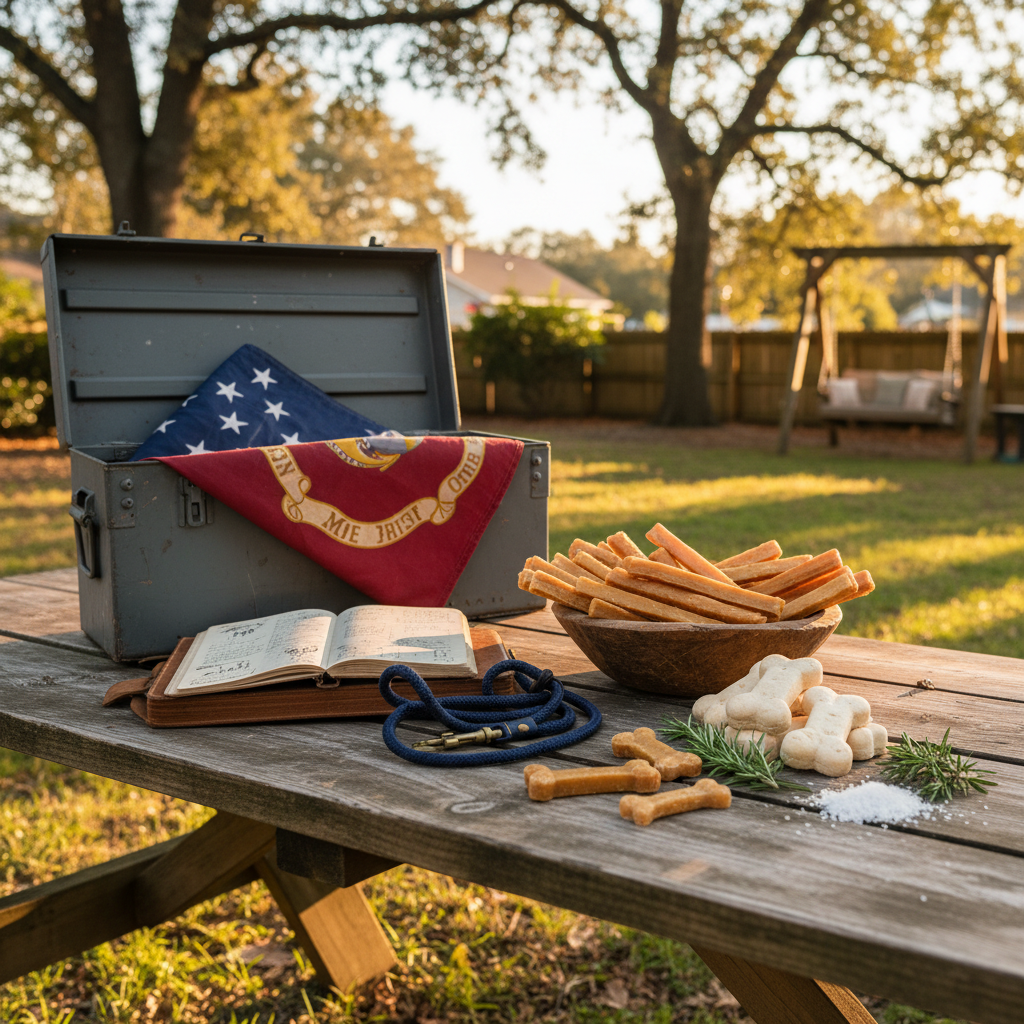
Treat Sticks for Dogs: Marines Field Guide to Safety
Key Takeaways
- Puppies under six months require softer, shorter treat sticks to protect their developing teeth and jaws.
- Standard bully sticks are suitable for 10-15 minute supervised chewing sessions.
- Yak sticks should be soaked briefly in warm water to reduce their hardness before giving to puppies.
- Puppies should never be left unattended with any chew to prevent damage to their baby teeth.
- Puppies have not yet learned proper chewing techniques, so supervision is essential.
Table of Contents
- What "Treat Sticks" Really Are in Dog Land (And Why They Matter)
- Types of Treat Sticks for Dogs (And How They're Made)
- How to Choose the Right Treat Stick for Your Dog (By Size, Age & Chew Style)
- Safety Protocols: How to Use Treat Sticks Like a Pro Leader
- Treat Sticks vs. Other Chews: What's Really Safer and More Effective?
- How Often to Use Treat Sticks (Without Overdoing It)
- Extreme Dog Leadership in Action: Making Treat Sticks Part of Your Training Toolkit
Treat Sticks for Dogs: A Marine's Field Guide to Safe, High-Value Chews
What "Treat Sticks" Really Are in Dog Land (And Why They Matter)
From Candy Sticks to Canine Treat Sticks
Long, snackable chews (often beef or cheese-based) designed to satisfy chewing needs, deliver protein, and keep dogs busy for 10–60 minutes at a time.
When dog owners say "treat sticks," they're talking about a completely different category than human candy. For dogs, treat sticks typically mean bully sticks (single-ingredient beef chews), yak cheese sticks (Himalayan hard cheese bars), or other meat-based chew sticks like collagen rolls. These aren't quick rewards, they're structured enrichment tools. If you're looking for a full selection of high-quality options, explore treat sticks designed for every dog size and chew style.
Quality treat sticks serve three critical functions: mental stimulation that prevents destructive behavior, natural outlet for chewing instincts that saves your furniture, and potential dental benefits when used correctly. The key word is "when used correctly", too many owners hand over a stick and walk away, missing the leadership opportunity entirely. For more on the science and safety of these chews, see this bully sticks for dogs are they safe guide.
Treat Sticks as a Leadership Tool, Not a Pacifier
Extreme Dog Leadership means you control when, where, and how long the chew happens. Treat sticks support training and calm behavior, they don't replace exercise or substitute for leadership. Hand a bored, under-exercised dog a bully stick and you're teaching them that whining gets rewards.
Smart use cases: 15–20 minute chew session after a structured walk, only on their designated bed or crate, and given after calm behavior, never during barking or demanding. Your dog earns the chew through good choices, doesn't get it as a distraction from bad ones. For a deeper dive into why chews shouldn't be used as a pacifier, check out this dog pacifier article.
Types of Treat Sticks for Dogs (And How They're Made)

Bully Sticks – The Classic Single-Ingredient Treat Stick
Bully sticks are dried beef pizzle, cleaned and slow-dehydrated for 12–24 hours until moisture drops below 10–12%. This process creates a fully digestible animal protein chew that typically lasts 10–45 minutes depending on size and your dog's chew style. Quality matters, premium sticks are triple-washed and extra-baked to reduce odor while maintaining nutritional density. Learn more about the benefits and sourcing of bully sticks in this detailed blog post.
Yak Cheese Sticks – Hard, Edible "Cheese Logs"
Made from yak and cow milk, lime juice, and salt, these dense bars are compressed and dried in the Himalayas. They soften gradually with saliva, lasting longer than bully sticks for most dogs. When your dog works it down to a small nub, soak it 3–5 minutes, microwave 45–90 seconds until puffed, then cool 10+ minutes before serving the crunchy cheese cloud.
Other "Treat Stick" Options (Collagen, Jerky, Snap Sticks)
Collagen sticks are beef skin rolls, more digestible than rawhide but softer than bully sticks. Jerky sticks are fast-eating rewards, not real chews. Soft "snap sticks" break into pea-sized training treats, serving a different purpose entirely from long-form chews.
| Type | Chew Time | Hardness Level | Digestibility | Best For |
|---|---|---|---|---|
| Bully Sticks | 10-45 minutes | Medium | High | Most adult dogs, moderate chewers |
| Yak Cheese | 30-90 minutes | Hard | High | Aggressive chewers, long sessions |
| Collagen | 5-20 minutes | Soft-Medium | Medium | Puppies, seniors, gentle chewers |
| Jerky/Snap | 1-5 minutes | Soft | High | Training rewards, quick treats |
How to Choose the Right Treat Stick for Your Dog (By Size, Age & Chew Style)
Sizing by Weight & Jaw Power
Rule of thumb: treat sticks should be longer than your dog's muzzle and too thick to fit fully between back molars. Under 20 pounds needs 4–6 inch thin sticks; 20–50 pounds handles 6–9 inch standard thickness; 50+ pounds or power chewers require 9–12 inch jumbo or braided options.
Size up for aggressive chewers and limit first sessions to 15–20 minutes while you assess their style. Better to start big and work down than deal with a choking emergency. For a comprehensive guide to healthy snacking and choosing the right single-ingredient treats, see single ingredient dog treats: a comprehensive guide to healthy snacking.
Adjusting for Life Stage: Puppies vs. Adults vs. Seniors
Puppies under six months need softer, shorter treat sticks to protect developing teeth and jaws. Standard bully sticks work well for 10-15 minute supervised sessions, while yak sticks should be soaked briefly in warm water to reduce hardness. Never leave puppies unattended with any chew, their baby teeth can crack under pressure, and they haven't learned proper chewing techniques yet.
Adult dogs with full permanent teeth can handle the complete range of treat sticks based on their size and chewing intensity. Match bully stick thickness to jaw strength and always supervise the final two inches. Yak cheese sticks work particularly well for adults who need longer mental stimulation, they soften gradually with saliva while maintaining structural integrity.
Senior dogs often benefit from slightly softer options due to worn teeth or sensitive gums. Standard bully sticks remain excellent choices, while yak sticks can be lightly soaked for 5 minutes before offering. Watch for any blood on the chew beyond a light smear, this signals you need to reduce hardness or session length. Rotate between different textures throughout the week to keep their interest high without overtaxing aging dental structures.
Matching Treat Sticks to Behavior Goals
Strategic treat stick deployment supports specific training objectives rather than random pacification. For crate training, offer a yak or bully stick sized to last 20-30 minutes immediately after your dog enters calmly, this creates positive associations with confinement. Post-walk decompression works well with a medium bully stick for 10-15 minutes while your dog processes the mental stimulation from their outing.
High-arousal dogs must earn their chew time through calm behavior and basic obedience. Never hand over treat sticks to stop barking, whining, or hyperactive behavior, this teaches your dog that chaos gets rewarded. Instead, require a solid "place" command on their bed or mat, then deliver the chew as payment for sustained calm energy.
Safety Protocols: How to Use Treat Sticks Like a Pro Leader
The 5-Minute Setup Before You Hand Over a Stick
Proper preparation prevents emergencies and maximizes the training value of every chew session. Start with a quick 10-15 minute walk or structured play to burn off excess energy, tired dogs chew more methodically and safely. Designate a specific chew zone like their crate, dog bed, or rubber mat where they must stay during the entire session. For a variety of safe, high-quality treat sticks, browse our shop all products collection.
Inspect every treat stick before use, checking for cracks, sharp edges, mold spots, or unusual odors that signal spoilage. For dogs new to a particular chew type, set a 10-15 minute timer for the first session while you observe their chewing style and pace. This baseline helps you adjust duration and sizing for future sessions.
Supervision, Chew Holders & When to Take It Away
Direct supervision remains non-negotiable for puppies, dogs under 20 pounds, and any dog who tends to gulp rather than gnaw. Position yourself where you can intervene quickly if chewing shifts from steady grinding to frantic swallowing attempts. Bully stick holders clamp the final 1-2 inches, preventing dogs from swallowing dangerous end pieces while still allowing access to most of the chew.
Remove treat sticks immediately when they shrink to 2-3 inches or can fit entirely in your dog's mouth. Watch for behavioral changes, if steady gnawing becomes aggressive chomping or gulping motions, end the session early. Some dogs get possessive as chews get smaller, making removal more challenging the longer you wait.
Common Problems & Fixes (Swallowing, Diarrhea, Broken Pieces)
Emergency Protocol: If your dog swallows a large piece, monitor for vomiting, lethargy, or straining to defecate. Contact your veterinarian immediately if any symptoms appear within 24-48 hours.
Dogs who swallow treat sticks too quickly need immediate sizing adjustments, move up one full size category in both length and thickness. Implement strict 10-15 minute maximum sessions with mandatory breaks, and consider switching to denser yak chews that resist aggressive chomping. Use bully stick holders religiously for confirmed gulpers.
Mild digestive upset typically resolves by reducing frequency to 1-2 sessions per week and cutting stick length by 25-50%. Ensure fresh water availability and trim total treat calories if loose stools persist. Dogs showing splintering behavior or chunk-biting patterns need higher-quality, denser products, cheap treat sticks often become brittle and dangerous under pressure. For more on the safety of various chews, see this are bully sticks safe for dogs article.
Treat Sticks vs. Other Chews: What's Really Safer and More Effective?

Bully & Yak Treat Sticks vs. Rawhide & Plastics
| Criteria | Bully/Yak Sticks | Rawhide | Synthetic Chews |
|---|---|---|---|
| Digestibility | Fully digestible protein | Poorly digestible, expands in stomach | Non-digestible plastic/nylon |
When comparing treat sticks to rawhide and synthetic chews, it's important to consider not only digestibility but also the risk of blockages and long-term dental health. For a military working dog perspective on safe chew protocols, see this Military Working Dog Clinical Practice Guideline.
How Often to Use Treat Sticks (Without Overdoing It)
Treat Stick Frequency by Dog & Chew Type
10% Rule: All treats including chews should comprise no more than 10% of your dog's daily calories. A 50-lb dog eating 1,000 kcal/day has a 100-calorie treat budget, one 6-inch bully stick uses the entire allowance.
Most adult dogs thrive on 2-4 treat stick sessions per week, with each session lasting 15-30 minutes depending on chew hardness and dog size. This frequency provides mental stimulation without displacing essential nutrition from complete dog food. Puppies and seniors may need shorter, more frequent sessions, 10-15 minutes every other day works well for developing or aging digestive systems.
High-value treat sticks like bully sticks pack significant calories and should be factored into meal planning. Reduce kibble portions slightly on chew days, or use treat sticks as meal replacements during training-intensive periods. Monitor body condition monthly and adjust frequency if weight gain occurs.
Rotating Chews with Antlers & Other Tools
Strategic chew rotation maximizes mental enrichment while managing calories and costs. Devil Dog Pet Co. owners often combine high-calorie treat sticks with virtually calorie-free antler chews to maintain daily chewing opportunities without nutritional overload. This approach satisfies natural chewing needs while preserving treat stick impact for specific training goals.
Sample weekly rotation for optimal variety:
- Monday/Wednesday/Friday: 20-minute bully or yak stick sessions after structured training
- Tuesday/Thursday/Saturday: 30-minute antler sessions for low-calorie mental stimulation
- Sunday: Rest day or soft training treats only during skill practice
This pattern prevents treat stick habituation while ensuring consistent chewing outlets. Adjust timing based on your dog's energy patterns, many owners find post-walk chew sessions create the calmest evening behavior. For more on the science of canine chewing and enrichment, see this NCBI resource on canine behavior.
Extreme Dog Leadership in Action: Making Treat Sticks Part of Your Training Toolkit
Responsible treat stick use exemplifies the core principle of Extreme Dog Leadership: you control resources, timing, and expectations while your dog earns privileges through calm, obedient behavior. Every chew session becomes a leadership opportunity rather than a convenience tool for human comfort. This mindset shift transforms treat sticks from "dog pacifiers" into powerful training instruments that build structure and respect.
Establish three non-negotiable leadership habits around treat stick use. First, you schedule chew time based on your dog's needs and behavior, never hand over sticks to stop unwanted behaviors like barking or hyperactivity. Second, invest in ethically sourced, properly sized sticks that match your dog's developmental stage and explore the full range of treat sticks available for every training goal.
Frequently Asked Questions
What types of treat sticks are safest and most appropriate for puppies under six months?
Puppies under six months need softer, shorter treat sticks that protect their developing teeth and jaws. Oversized split antlers, Standard bully sticks, and soaked yak cheese sticks are good choices for gentle chewing sessions.
How should yak cheese sticks be prepared before giving them to puppies?
Soak yak cheese sticks briefly in warm water to soften their hardness before offering them to puppies. This reduces tooth strain and makes chewing safer for young, developing mouths.
Why is supervision important when giving treat sticks to dogs, especially puppies?
Puppies haven’t yet learned proper chewing techniques and can damage baby teeth or choke on small pieces. Supervision ensures safe chewing, prevents swallowing hazards, and helps you guide good chewing habits from the start.
How can treat sticks be used effectively as a training and leadership tool rather than just a distraction?
Treat sticks should be given on your terms, after exercise, in a designated spot, and for limited sessions, to reinforce calm behavior and obedience. This controlled approach supports Extreme Dog Leadership by teaching your dog that rewards come from good conduct, not whining or boredom.