
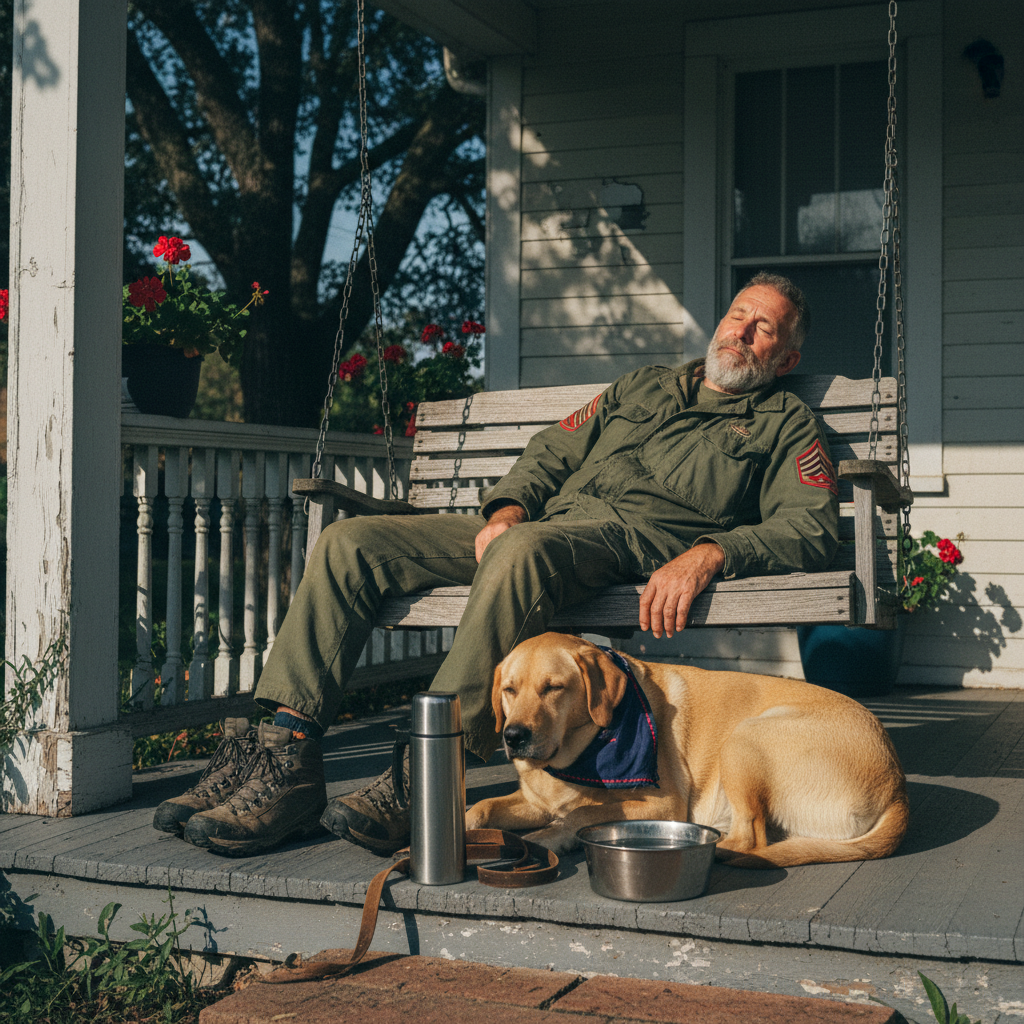
Dog Lunchbox: Marine Vets Ultimate Owner Guide
Key Takeaways
- A proper dog lunchbox ensures organized and nutritious feeding during outdoor activities.
- Using a quality portable feeding system is far superior to improvised containers.
- Devil Dog Pet Co. has extensively tested various dog lunchboxes with their dog Dexter.
- A good dog lunchbox is essential for trips, vet visits, and managing multiple dogs at once.
Table of Contents
- What Is a Dog Lunchbox? Why Responsible Owners Are Packing Smarter
- Types of Dog Lunchboxes, Matching the Gear to Your Mission
- Features That Matter, Leakproof, Durable, Clean
- Packing a Dog Lunchbox, Game Plans for Real Life
- Cleaning and Maintenance, How Leadership Prevents Problems
- Dog Lunchbox vs. Regular Lunchbox vs. Dog Food Container
- Personalizing & DIY Dog Lunchboxes, Making Tools That Fit Your Mission
- Top Dog Lunchbox Picks, What Real Leaders Use
- Troubleshooting Lunchbox Problems, Solutions for Field Failures
Dog Lunchbox – A Marine-Owned Guide for Owners Who Lead
Your dog deserves better than soggy kibble scattered in a plastic bag during your next adventure. A proper dog lunchbox transforms chaotic feeding into disciplined nutrition, whether you're hitting the trail, visiting the vet, or managing multiple dogs at the park. At Devil Dog Pet Co., we've tested dozens of portable feeding solutions alongside our dog Dexter, and the difference between a quality system and improvised containers is night and day.
Smart dog owners pack like they plan, with intention, reliability, and zero room for failure. The right dog lunchbox keeps food fresh, portions controlled, and your leadership consistent no matter where the mission takes you.
For longer outings, it's wise to include a 12" braided bully stick or a Beast Himalayan Dog Chew in your kit for enrichment and lasting energy.
What Is a Dog Lunchbox? Why Responsible Owners Are Packing Smarter
Quick Answer: A dog lunchbox is a portable, compartmentalized food carrier designed specifically for dogs, ideal for travel, outings, training sessions, and precise portion control. Unlike human lunchboxes, they feature leak-proof seals for wet food, compartments sized for kibble and treats, and materials safe for extended pet food contact.
Dog lunchboxes differ from human versions in three critical ways: food-grade materials that resist bacterial buildup, compartment sizing optimized for kibble and treats rather than sandwiches, and reinforced durability for outdoor adventures. Most quality dog lunch boxes hold 0.5–2 liters of food and maintain safe temperatures for up to 8 hours with proper insulation.
Extreme Dog Leaders use these systems for accountability, no guessing portions, no forgotten meals, no excuses. Whether you're managing a reactive dog's training sessions at the park or ensuring consistent nutrition during a weekend camping trip, a dedicated dog lunchbox eliminates the variables that derail progress.
Types of Dog Lunchboxes, Matching the Gear to Your Mission

Six primary styles dominate the market: insulated carriers with foam or gel linings that maintain sub-40°F temperatures for 4–8 hours, stainless steel containers that resist odors and sanitize completely, bento-style boxes with adjustable dividers for wet and dry separation, lightweight fabric carriers for day hikes, eco-friendly bamboo options, and basic plastic containers for budget-conscious owners.
| Type | Durability | Insulation | Capacity | Cleaning Ease | Weight |
|---|---|---|---|---|---|
| Insulated | High | Excellent | 1-2 liters | Moderate | Heavy |
| Stainless Steel | Excellent | None | 0.5-1.5 liters | Excellent | Moderate |
| Bento Style | Moderate | Low | 0.5-1 liter | Good | Light |
| Fabric | Low | Good | 1-3 liters | Poor | Very Light |
Selection depends on your dog's energy level and your outing frequency. High-drive dogs requiring multiple daily training sessions benefit from bento-style portion control, while weekend warriors need insulated capacity for extended adventures. Nancy the New Dog Owner should start with a mid-capacity stainless steel option, durable, cleanable, and mistake-forgiving as she learns her dog's needs.
If you want to learn more about canine behavior and training, check out why does my dog do that for helpful insights.
Features That Matter, Leakproof, Durable, Clean
Three non-negotiables separate quality dog lunchbox systems from garage-sale disasters: leak-proof seals tested with liquids (not just claimed), drop-resistance surviving a 4-foot concrete impact, and opening mechanisms operable with gloved or injured hands. Temperature ratings matter too, dishwasher-safe up to 160°F and freezer-stable to -10°F handle real-world conditions.
Test every new container before field use: fill with water, invert for 30 seconds, and inspect for leaks. For persistent odors, insert a baking soda packet between uses and rotate containers every 2–3 months to prevent seal degradation. These aren't suggestions, they're maintenance protocols that prevent field failures when your dog depends on you.
Extreme Dog Leadership means controlling variables before they control you. A reliable feeding system eliminates excuses about forgotten meals, spoiled food, or contaminated water. Your dog's nutrition consistency reflects your leadership consistency, both require equipment that performs under pressure.
For dogs who need extra chewing satisfaction, antler dog chews are a durable and natural option that can be packed alongside your dog lunchbox.
Packing a Dog Lunchbox, Game Plans for Real Life
Pack systematically: AAFCO-complete food measured by kitchen scale (30–40 grams per meal for small dogs, 85–120 grams for medium/large breeds), Devil Dog Pet Co. chews for 10–15 minute enrichment sessions, fresh water in a separate leak-proof container, and emergency medications if applicable. Pack fresh food within 2 hours of departure, and add frozen ice packs for any journey exceeding 2 hours to maintain safe temperatures below 40°F.
Layer treats in bottom compartments to prevent cross-contamination with wet foods. Use a kitchen scale for precise portions, accuracy builds the discipline that separates leaders from followers. For multi-meal trips, color-code containers: morning meals in blue, evening in red. This system eliminates guesswork when you're managing an anxious rescue at the vet or keeping energy steady during a long hike.
Top 5 Items for Every Outing:
• Pre-portioned AAFCO-complete kibble or wet food
• Devil Dog Pet Co. split antler or yak chew for mental stimulation
• Leak-proof water container with attached bowl
• Emergency contact info and current medications
• Waste bags and sanitizing wipes
For a truly long-lasting treat, consider packing long lasting dog chews for your next adventure.
Real scenario preparation varies by mission. Vet trips require comfort items and familiar treats to reduce stress. Park days need higher-energy snacks and longer-lasting chews. When introducing your dog to a new baby's routine, pack familiar foods that won't upset digestion during this major life transition.
Cleaning and Maintenance, How Leadership Prevents Problems

Sanitation isn't optional, it's the foundation of responsible ownership. Bacterial contamination from improperly cleaned containers can cause digestive upset, food poisoning, or worse. Odor retention signals breakdown of materials and compromises your dog's interest in meals. Food spoilage accelerates in containers with residual moisture or lingering oils from previous meals.
Execute daily cleaning with hot, soapy water for minimum 60 seconds of scrubbing. Deep clean weekly using your dishwasher's top rack (maximum 160°F) or soak in white vinegar solution (1:8 ratio) for 15 minutes. Always dry thoroughly before repacking, moisture creates the perfect environment for mold growth that can make your dog seriously ill.
Weekly: Deep vinegar soak, inspect seals for wear, check hinges for food debris
Monthly: Replace ice packs, test leak-proofing with water, sanitize with food-grade disinfectant
For more on safe pet food handling and hygiene, see these pet care guidelines from the USDA.
Dog Lunchbox vs. Regular Lunchbox vs. Dog Food Container
The right tool prevents cross-contamination and ensures food safety standards appropriate for canine digestive systems. Regular human lunchboxes often lack the leak-proofing necessary for wet dog foods and may contain materials unsafe for pet food contact. Long-term storage containers excel at bulk storage but fail during transport due to inadequate insulation and oversized portions that encourage overeating.
Selection depends on mission parameters. Day trips under 6 hours favor insulated dog lunchboxes with portion control dividers. Multi-day camping requires larger food containers with airtight seals. Regular lunchboxes work only for dry kibble transport in emergency situations, never for wet foods or extended storage.
| Feature | Dog Lunchbox | Regular Lunchbox | Dog Food Container |
|---|---|---|---|
| Leak-Proof Rating | Broth-tested seals | Basic liquid protection | Airtight only |
| Insulation Duration | 4-8 hours active cooling | 2-4 hours passive | None |
| Material Safety | Pet food grade certified | Human food grade | Pet food grade certified |
| Portion Control | Meal-sized compartments | Human-sized sections | Bulk storage only |
For a deeper dive into the pros and cons of antlers as chews, read are antlers for dogs a good idea on our blog.
Personalizing & DIY Dog Lunchboxes, Making Tools That Fit Your Mission
Customization transforms generic gear into mission-specific equipment. Add waterproof photo labels showing your dog's name and your contact information, critical for emergency situations. Use color-coded stickers to designate meal times or dietary restrictions. Silicone cupcake liners create flexible dividers that conform to irregular food shapes while remaining dishwasher-safe.
Build a DIY solution using BPA-free containers with tight-fitting lids. Insert slim freezer packs along the sides, then add removable Devil Dog chew pouches using velcro strips for easy cleaning access. Advanced modifications include training treat dispensers attached to the exterior and recipe cards laminated for field reference during long adventures.
3 Quick Personalization Tactics:
• Engrave your phone number directly into the lid using a rotary tool
• Install carabiner clips for secure attachment to backpacks or strollers
• Create meal-specific labels using a label maker with waterproof tape
For owners looking for a high-value reward, the Extra Large Whole Elk Antler Official Dog Chew is a top pick for durability and satisfaction.
Top Dog Lunchbox Picks, What Real Leaders Use

Travel demands insulated models with dual-wall construction and metal interior linings that maintain temperature stability for 8+ hours. Look for leak-proof silicone gaskets tested with liquids, not just stated as "leak-resistant." One-handed opening mechanisms prove essential when managing leashes, gear, and anxious dogs simultaneously.
Small dogs require compact designs under 2 pounds total weight with portion sizes matching their 1-2 cup daily intake. Large breeds and multi-dog households need high-capacity bento-style containers with removable dividers that accommodate 4-6 cups of food plus treats. Durability testing should include drop resistance from 4 feet.
For dogs who love cheese-based treats, Himalayan Dog Yak Chews are a flavorful and long-lasting option to pack for your next trip.
For more tips and stories from real owners, visit the devil dog blog for inspiration and advice.
Troubleshooting Lunchbox Problems, Solutions for Field Failures
Equipment failures happen at the worst moments, during a vet emergency, on the trail, or when your dog needs consistent nutrition most. Extreme leaders prepare for these scenarios with proven field fixes that work under pressure.
Seal failures cause 80% of dog lunch box problems. Apply food-grade silicone lubricant to gaskets every 30 days, focusing on corners where debris accumulates. For emergency repairs, dental floss can temporarily secure loose latches, while aluminum foil creates makeshift insulation if cooling fails. Persistent odors require aggressive action: fill the container with white vinegar, add two tablespoons of baking soda, seal for four hours, then scrub with a stiff brush before thorough rinsing.
Rapid Solutions for Critical Failures
- Stuck lid: Run warm water over edges for 45 seconds, tap corners with rubber mallet
- Broken latch: Wrap with 550 paracord in figure-8 pattern for temporary security
- Lost insulation: Wrap container in emergency blanket, secure with duct tape
- Cracked compartment: Line with food-safe plastic bag, double-check for leaks
For additional information on pet health and safety, refer to this comprehensive resource from the National Institutes of Health.
Frequently Asked Questions
What are the key features that differentiate a dog lunchbox from a regular human lunchbox?
Dog lunchboxes use food-grade materials designed to resist bacterial buildup, feature compartments sized specifically for kibble and treats, and have leak-proof seals for wet food. They’re built tougher to handle outdoor adventures and maintain safe temperatures for hours, unlike regular human lunchboxes.
How do I choose the right type of dog lunchbox based on my dog's activity level and the nature of our outings?
Match the lunchbox size and insulation to your dog's portion needs and outing length. For high-activity days or multi-dog trips, pick larger, well-insulated models with multiple compartments. For quick vet visits or short walks, a compact, easy-to-clean box will do the job.
What are the best practices for packing and maintaining a dog lunchbox to ensure food stays fresh and safe?
Portion food precisely to avoid leftovers, separate wet and dry items in leak-proof compartments, and include enrichment chews for mental stimulation. Clean the lunchbox thoroughly after each use with pet-safe cleaners and air-dry completely to prevent bacteria buildup.
Why is it important to use a dedicated dog lunchbox instead of improvised containers during outdoor activities?
Dedicated dog lunchboxes keep food fresh, portions controlled, and reduce mess or contamination risks. Improvised containers often leak, crush kibble, or fail to separate treats, undermining your leadership and your dog’s nutrition on the go.